Wondering what day-to-day life actually feels like in the heart of Harrisonburg? If you are considering a move to the city or simply trying to understand how the core neighborhoods function, it helps to look past listings and focus on rhythm, convenience, and how people really use the area. From downtown routines to parks, trails, transit, and housing patterns, here is a practical look at what everyday life in Harrisonburg’s Friendly City core can offer. Let’s dive in.
Harrisonburg Feels Connected and Compact
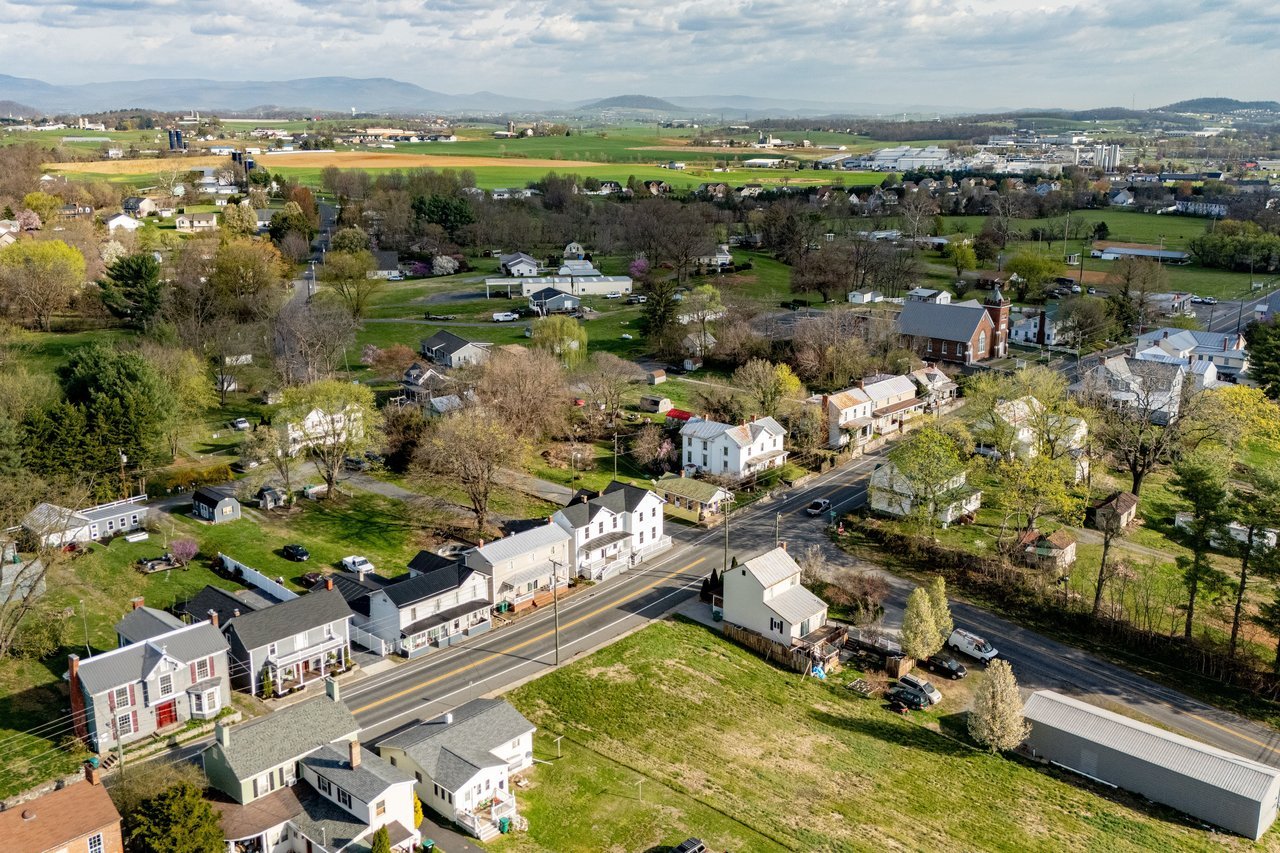
Harrisonburg packs a lot into a relatively small footprint. The U.S. Census Bureau estimates 51,164 residents in 2024 across 17.34 square miles, with a median commute of 17.1 minutes. That compact scale shapes daily life in a very real way.
For you, that can mean less time spent crossing town and more flexibility in how you plan your day. Running errands, getting downtown, heading to campus, or reaching a park often feels manageable without the long travel times common in larger metro areas. That ease is one reason the city core stands out.
The City Core Has a College-Town Rhythm
Harrisonburg’s two universities add energy and movement to the city. James Madison University reported 21,112 undergraduates and 1,767 graduate students for Fall 2024, while Eastern Mennonite University lists about 1,550 total enrollment. Together, they create a steady flow of activity that influences housing, traffic patterns, dining, and community events.
That does not mean the city core feels like it exists only for students. Instead, the universities help create a more active, varied environment where you see a mix of residents, visitors, and campus-connected households sharing many of the same spaces. It gives the city a pace that feels lively without being overwhelming.
Downtown Shapes Everyday Routine
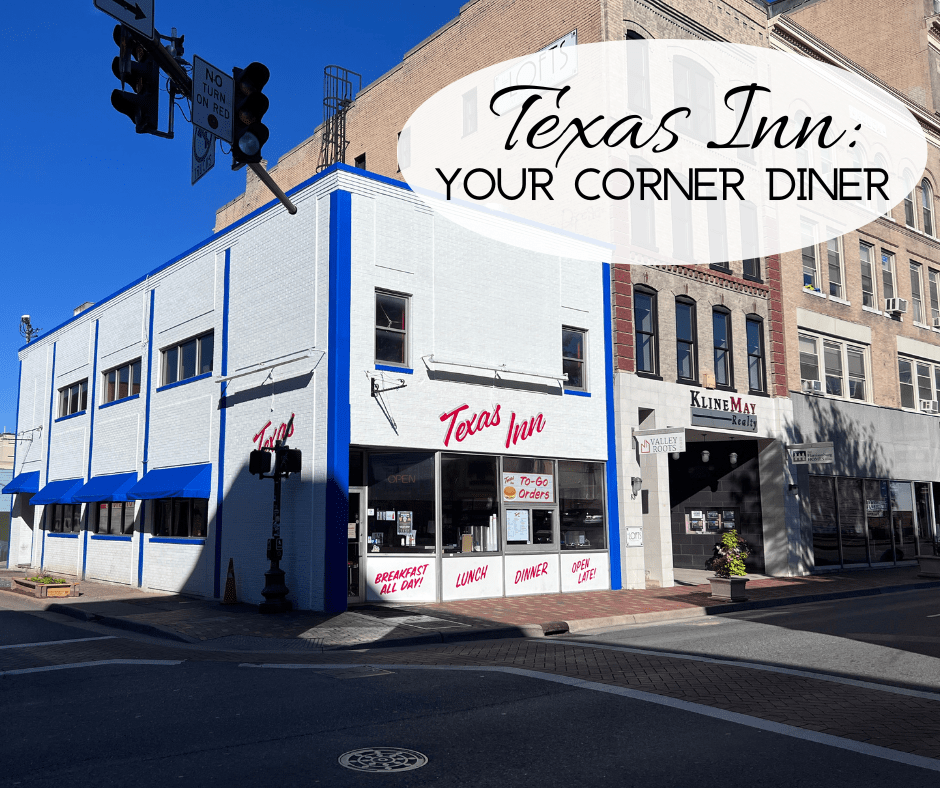
Downtown Harrisonburg is more than a place to visit on weekends. It functions as one of the city’s most active everyday gathering areas, with housing, restaurants, breweries, markets, and public events all layered into a small cluster of blocks.
Harrisonburg Downtown Renaissance describes downtown as Virginia’s first Culinary District and notes that the area has grown from 150 to more than 600 housing units, alongside 36 restaurants and 5 breweries. That mix helps downtown feel like part of daily life rather than a separate entertainment district.
If you live in or near the core, downtown can become part of your regular routine in simple ways. You might grab coffee, pick up local produce, meet friends for dinner, or catch live music without needing a big plan. That kind of convenience often matters as much as any single attraction.
The Farmers Market Is Part of Local Life
One of the clearest examples of Harrisonburg’s city-core rhythm is the Harrisonburg Farmers Market. The market dates to the 1950s, became an official producer-only business in 1994, and now operates year-round at 228 South Liberty Street.
Its regular schedule adds structure to the week. It runs Tuesday and Saturday mornings from April through November, Saturday mornings in winter, and a Sunset Market every third Thursday from June through September. For many residents, that kind of consistency is part of what makes the downtown core feel lived in and useful.
Public Events Reinforce a Shared Gathering Space
Downtown also supports recurring public events that make the area feel social and active. Levitt AMP Harrisonburg brings seven weeks of free, family-friendly live music to Turner Pavilion Lawn, right next to the farmers market.
That detail matters because it shows how public space is used in Harrisonburg. Rather than relying only on one-time attractions, the city core builds community around places people return to again and again. If you value a routine that includes shared local spaces, this is an important part of the picture.
Parks and Trails Support Daily Movement
Life in Harrisonburg’s core is not only about downtown. Parks and green space are woven into the city in a way that supports everyday use, whether you want a longer trail outing or a place to spend part of the afternoon.
Harrisonburg Parks and Recreation says the city maintains 12 main parks plus additional facilities. That gives you options across different parts of the city, often within a short drive or bike ride.
Parks Near the Core Offer Variety
Denton Park, located downtown, is a small urban park with outdoor tables, chairs, and a waterfall. It is the kind of space that can give the city core a more relaxed feel during a busy day.
If you want more room to move, Hillandale Park offers 74 acres, a 1.3-mile trail, and access to Rocktown Trails. Purcell Park adds sports fields, pickleball courts, and a 1.5-mile trail, making it another strong option for regular recreation.
Trails Help the City Feel Linked
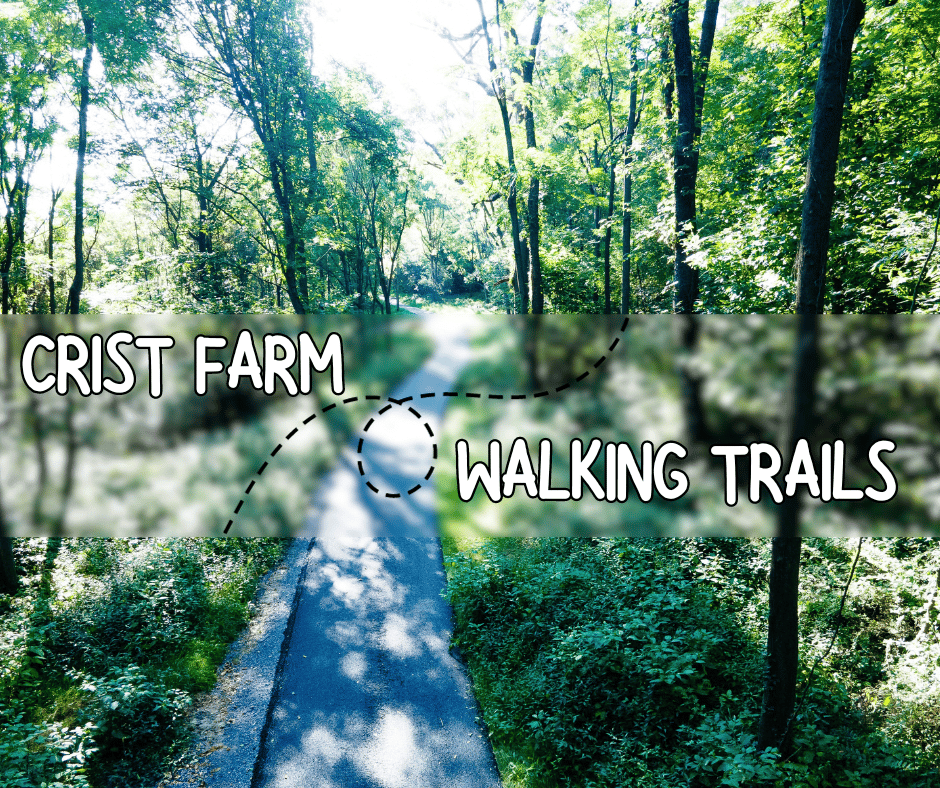
Harrisonburg’s trail network also shapes how the city functions. The Friendly City Trail is a 2.2-mile shared-use path that connects schools and Westover Park.
The planned Northend Greenway is designed to connect north-city neighborhoods, EMU, downtown, and other destinations by shared-use path. Projects like these matter because they help the city feel more connected.
Transit Adds Another Layer of Convenience
Driving is part of life in Harrisonburg, but it is not the only way people move around the city core. Harrisonburg Department of Public Transportation says it is operating fare-free for transit and paratransit until further notice.
The system includes a year-round East Gay Street transfer hub downtown and the Godwin Transit Center on the JMU campus. In everyday terms, those transit anchors support circulation between downtown, the university area, and other parts of the city.
For you, that can broaden how you think about location. A home does not have to sit directly next to every destination to feel convenient if there are multiple workable ways to reach the places you use most.
Housing in the Core Has a Distinct Pattern
If you are thinking about buying or selling in Harrisonburg city, the housing mix in the core is worth understanding. The city housing study shows that close-in housing is strongly shaped by the universities and downtown.
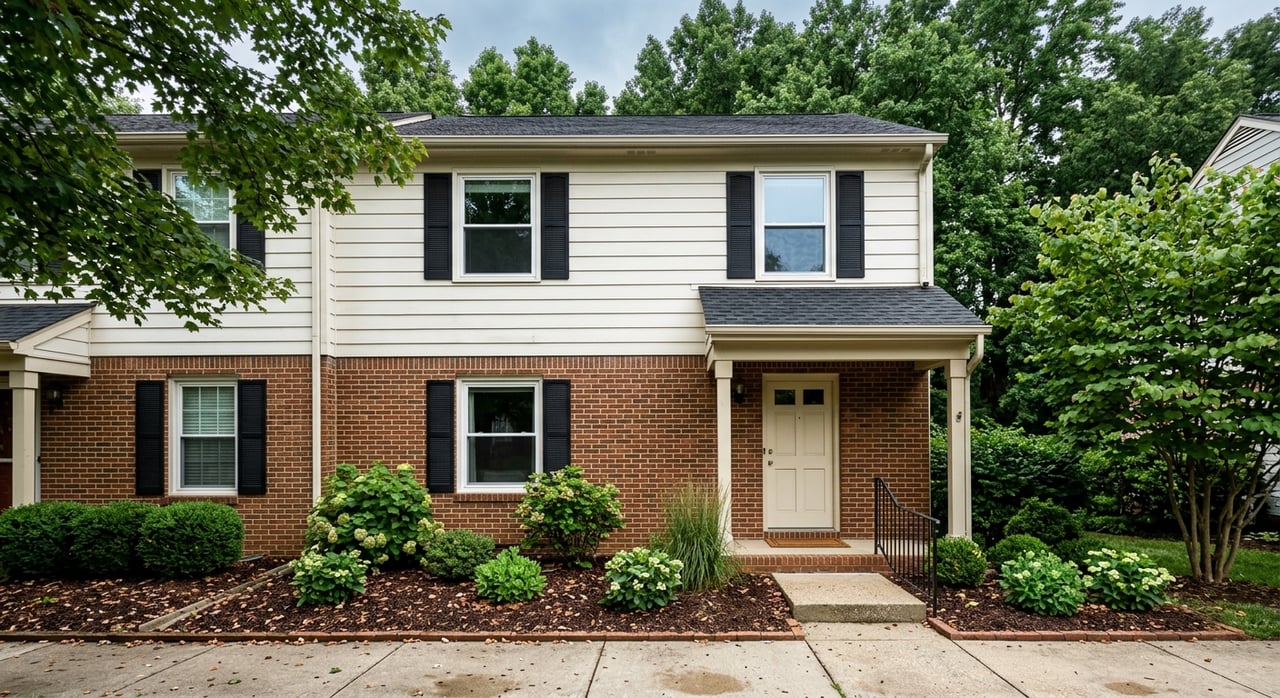
Studio and one-bedroom units are concentrated near EMU, downtown, and southeast of JMU, while units with four or more bedrooms cluster near JMU. In practical terms, that means the core tends to include more apartments, smaller rentals, and student-adjacent housing than you may see in other parts of the city.
Buyers Should Look at Use and Setting
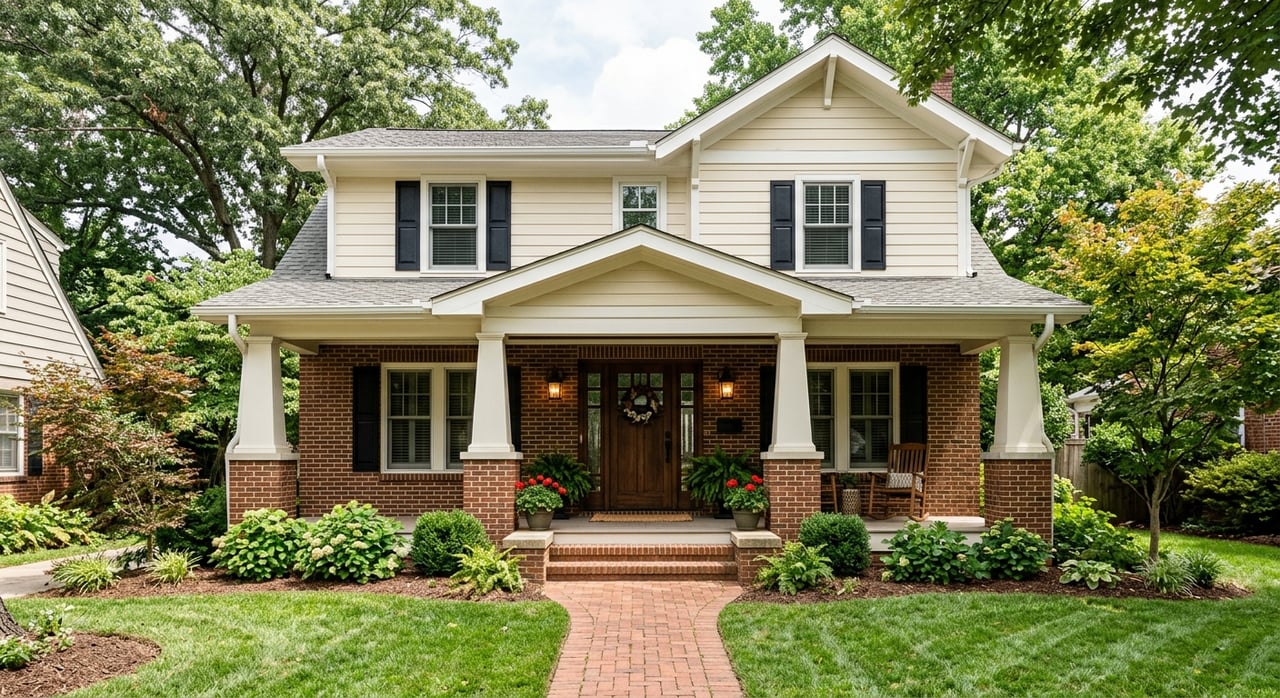
For buyers, that housing pattern can affect both lifestyle and expectations. A close-in location may offer convenience, access to downtown, and a shorter trip to major destinations, but the surrounding housing stock may be older or more mixed in type and occupancy.
That is not necessarily a downside. It simply means your home search may benefit from looking closely at block-by-block context, property condition, and how a specific location fits your goals.
Sellers Benefit From Positioning Clearly
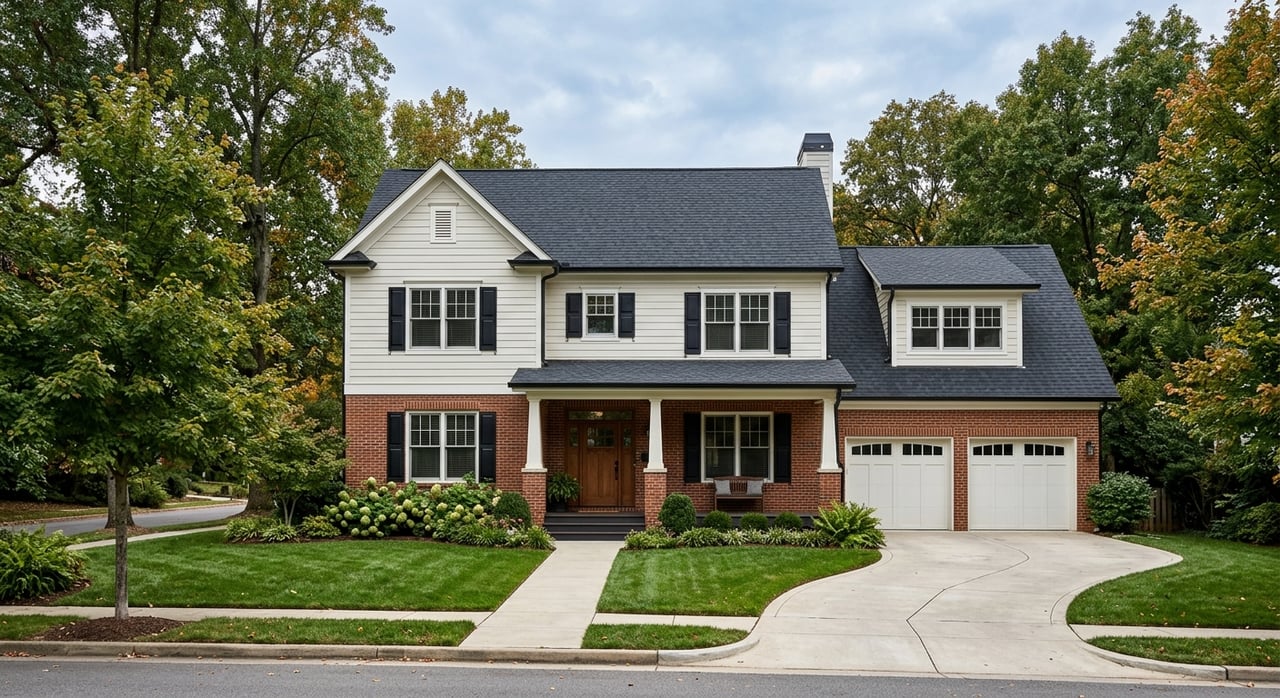
For sellers, city-core housing often benefits from a clear presentation strategy. Buyers tend to compare not only price and size, but also proximity to downtown or campus, and the condition of older homes or attached housing.
That is where preparation matters. Thoughtful pricing, strong marketing, staging guidance, and repair planning can help buyers understand the value of a home in a location where housing types may vary from one street to the next.
Citywide Numbers Add Useful Context
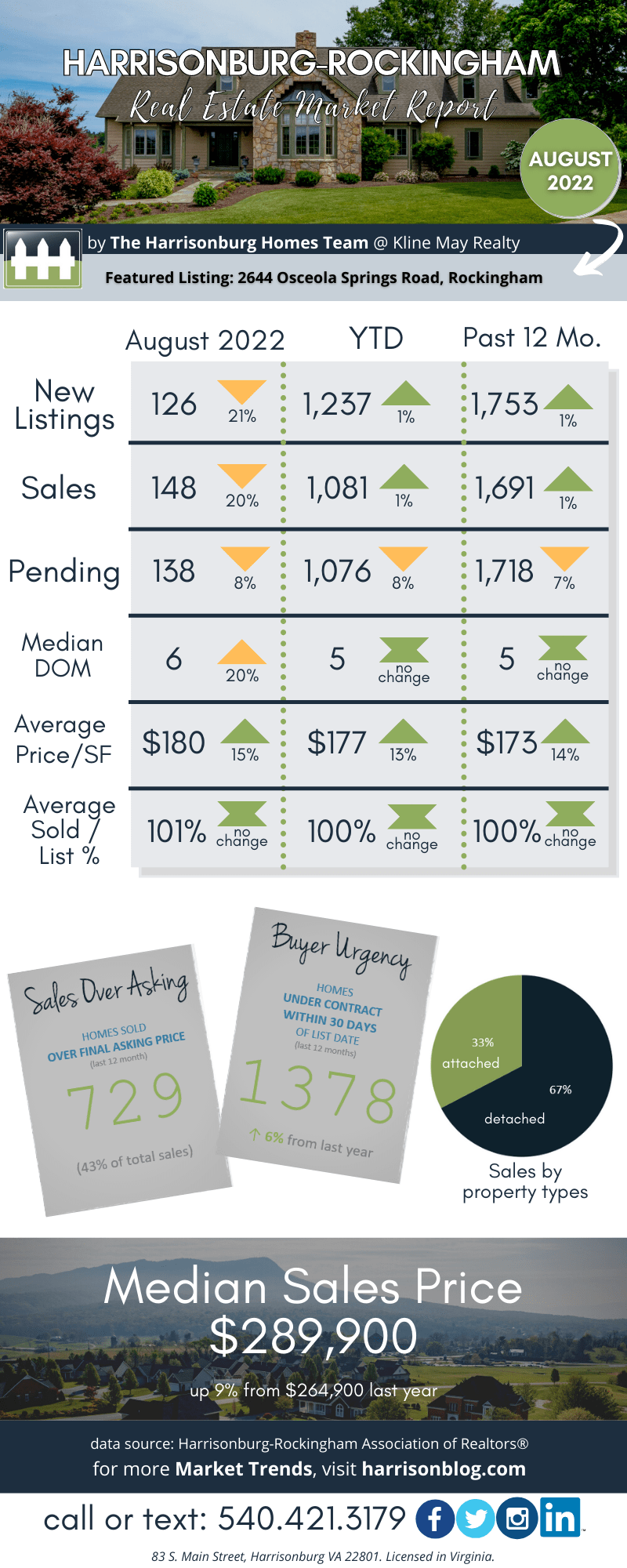
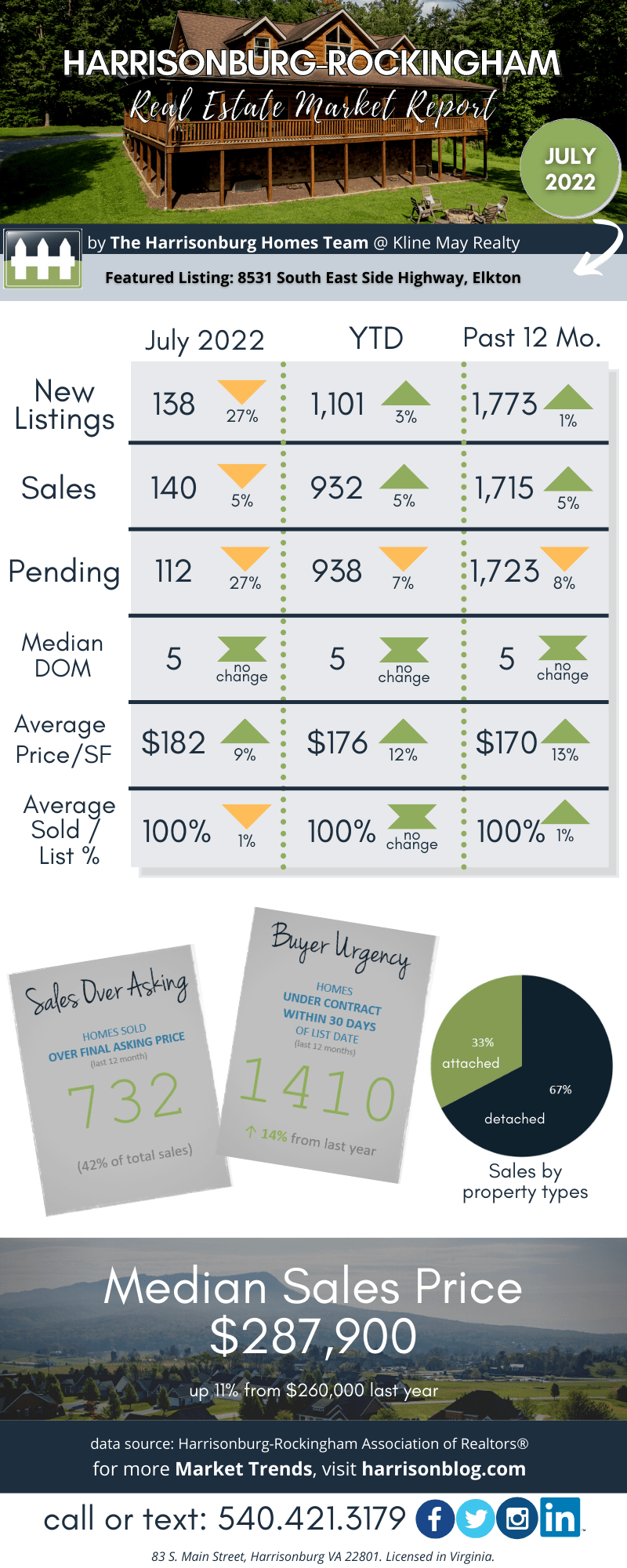
Harrisonburg remains a meaningful owner-occupied market even with its strong rental presence. Census QuickFacts show an owner-occupied housing rate of 39.9%, a median owner-occupied home value of $278,200, and a median gross rent of $1,120.
The city housing study also reported that about 40% of Harrisonburg’s landmass is zoned for single-family detached homes, while multifamily development is prohibited across more than 80% of the jurisdiction. It further described much of the housing stock as older and relatively affordable.
Those details matter if you are comparing options within the city. They help explain why some neighborhoods feel denser, why certain housing types cluster near downtown or the universities, and why condition and location can play such a large role in value.
What Everyday Life Feels Like
So what does all of this add up to? In the Friendly City core, daily life often feels efficient, active, and grounded in shared places. You have a compact city layout, a busy downtown, recurring public events, established parks, growing trail connections, and visible transit hubs all working together.
For some buyers, that means a lifestyle with more convenience and less driving. For sellers, it means understanding that the appeal of the city core is often about how a home fits into a broader daily pattern, not just the home itself.
If you are weighing a move within Harrisonburg or trying to decide whether the city core fits your next chapter, local context matters. A knowledgeable guide can help you look beyond broad impressions and focus on the specific streets, housing types, and routines that match your goals.
Whether you are buying your first place in the city, moving across town, or preparing a home for sale, Nest Realty Harrisonburg can help you make sense of the details with clear advice and local insight.
FAQs
What is everyday life like in Harrisonburg’s city core?
- Everyday life in Harrisonburg’s city core often feels compact and convenient, with downtown dining, the farmers market, parks, trails, and transit all playing a role in regular routines.
What parks and trails are near Harrisonburg’s Friendly City core?
- Nearby options include Denton Park downtown, Hillandale Park with a 1.3-mile trail and Rocktown Trails access, Purcell Park with a 1.5-mile trail and recreation amenities, and the 2.2-mile Friendly City Trail.
How does public transit work in Harrisonburg city?
- Harrisonburg Department of Public Transportation says transit and paratransit are fare-free until further notice, with key hubs at East Gay Street downtown and the Godwin Transit Center on the JMU campus.
What kind of housing is common near downtown Harrisonburg?
- The city housing study shows that smaller units are concentrated near EMU, downtown, and southeast of JMU, while larger four-bedroom-and-up units cluster more heavily near JMU.
Is Harrisonburg’s city core a good fit for homebuyers who want convenience?
- For buyers who value shorter commutes, access to downtown, nearby parks, and multiple ways to get around, the city core can offer a practical and connected lifestyle.