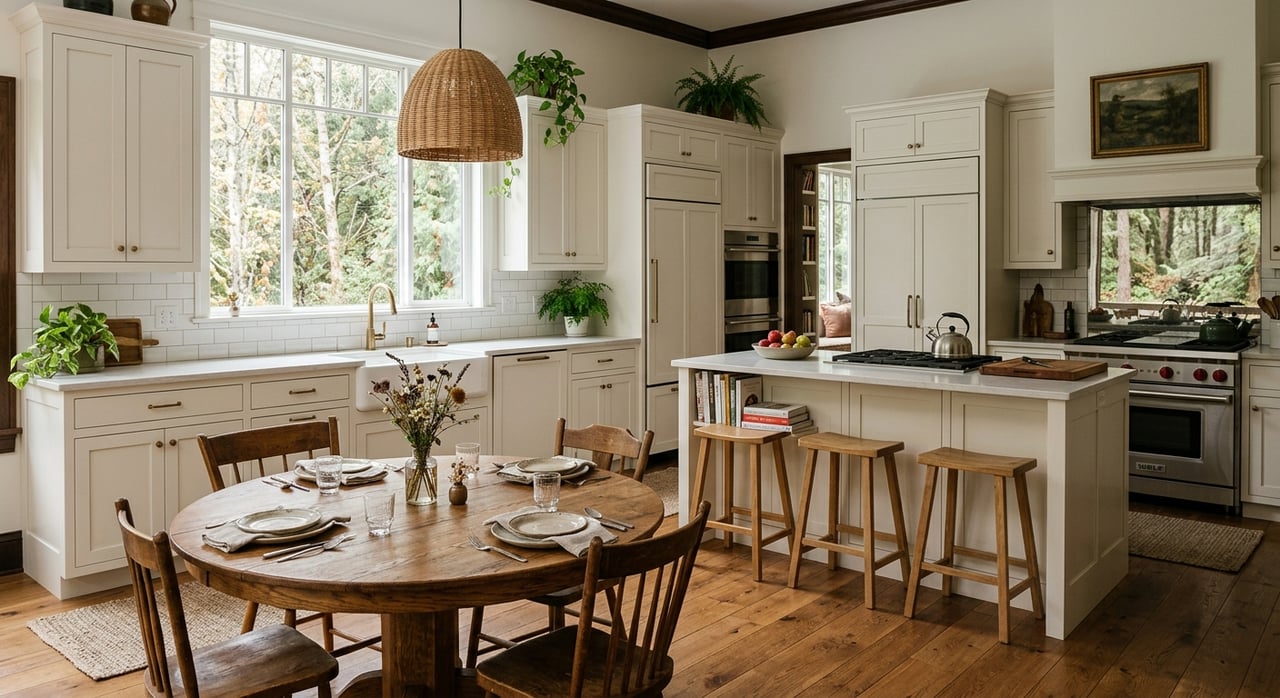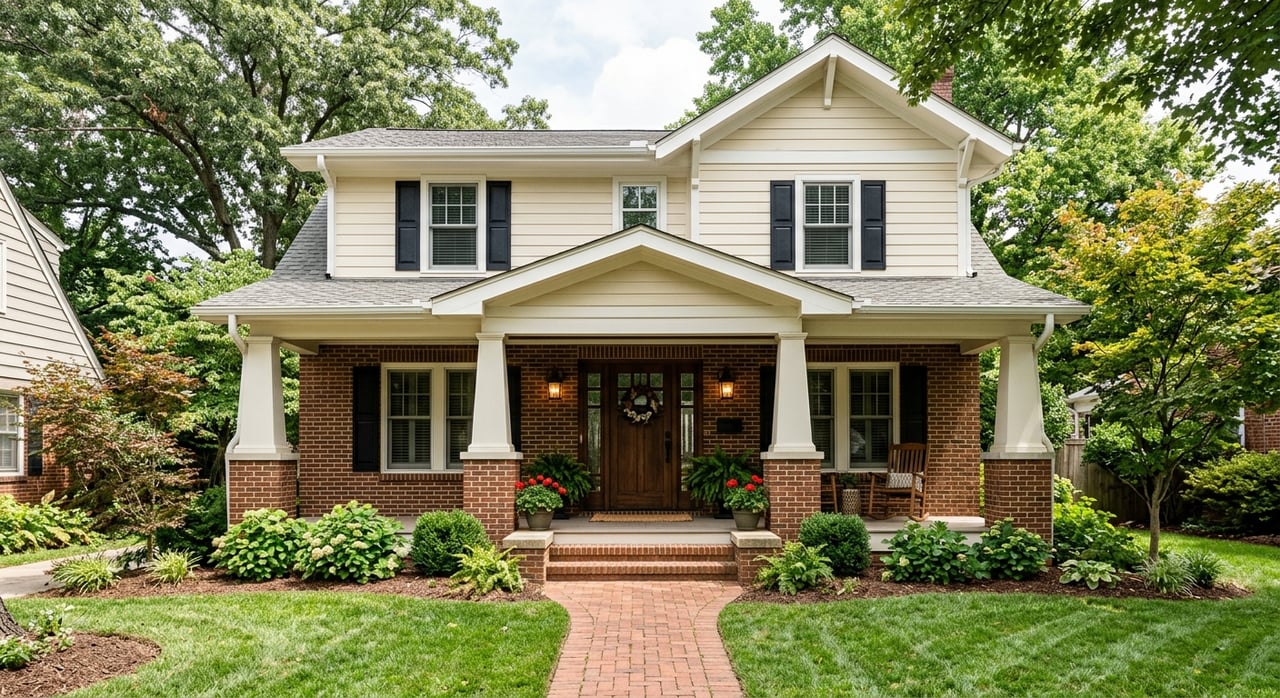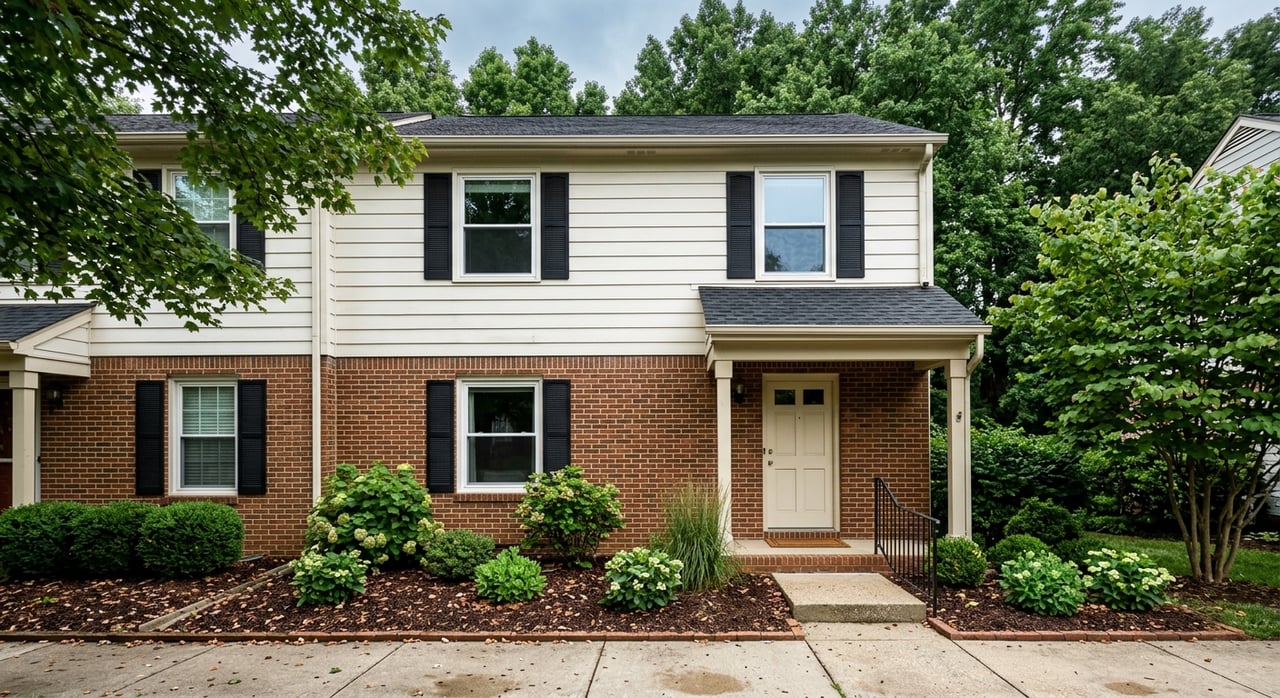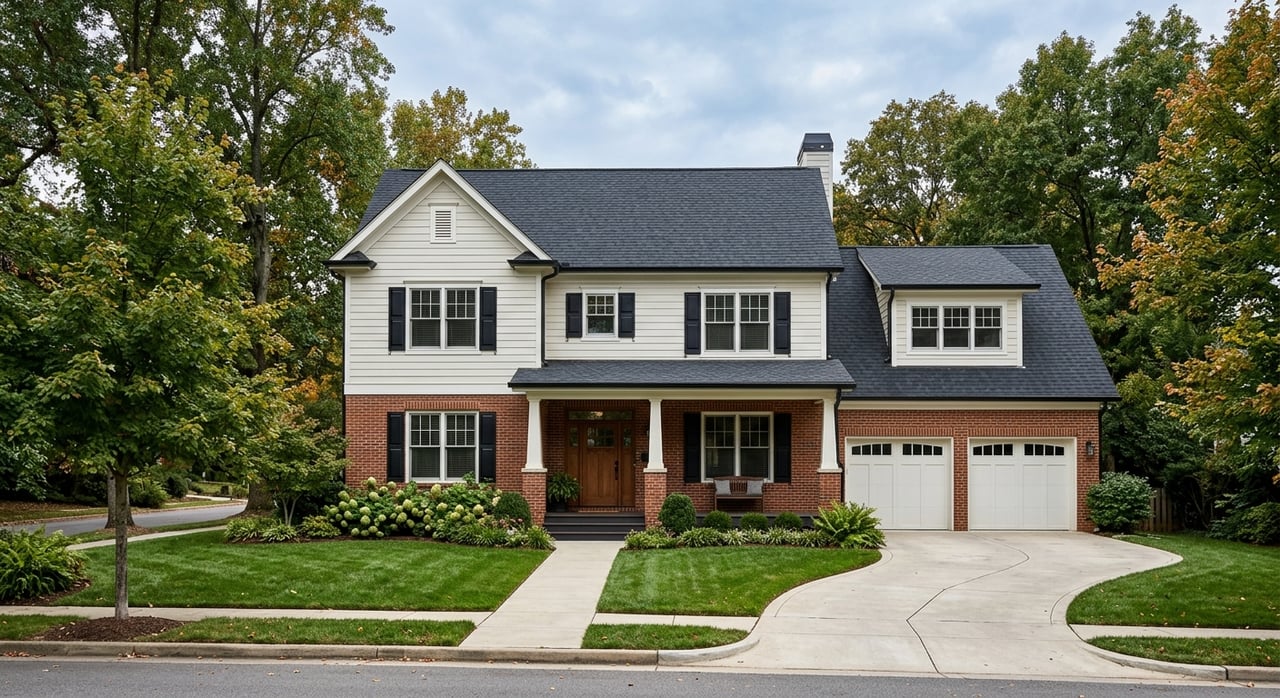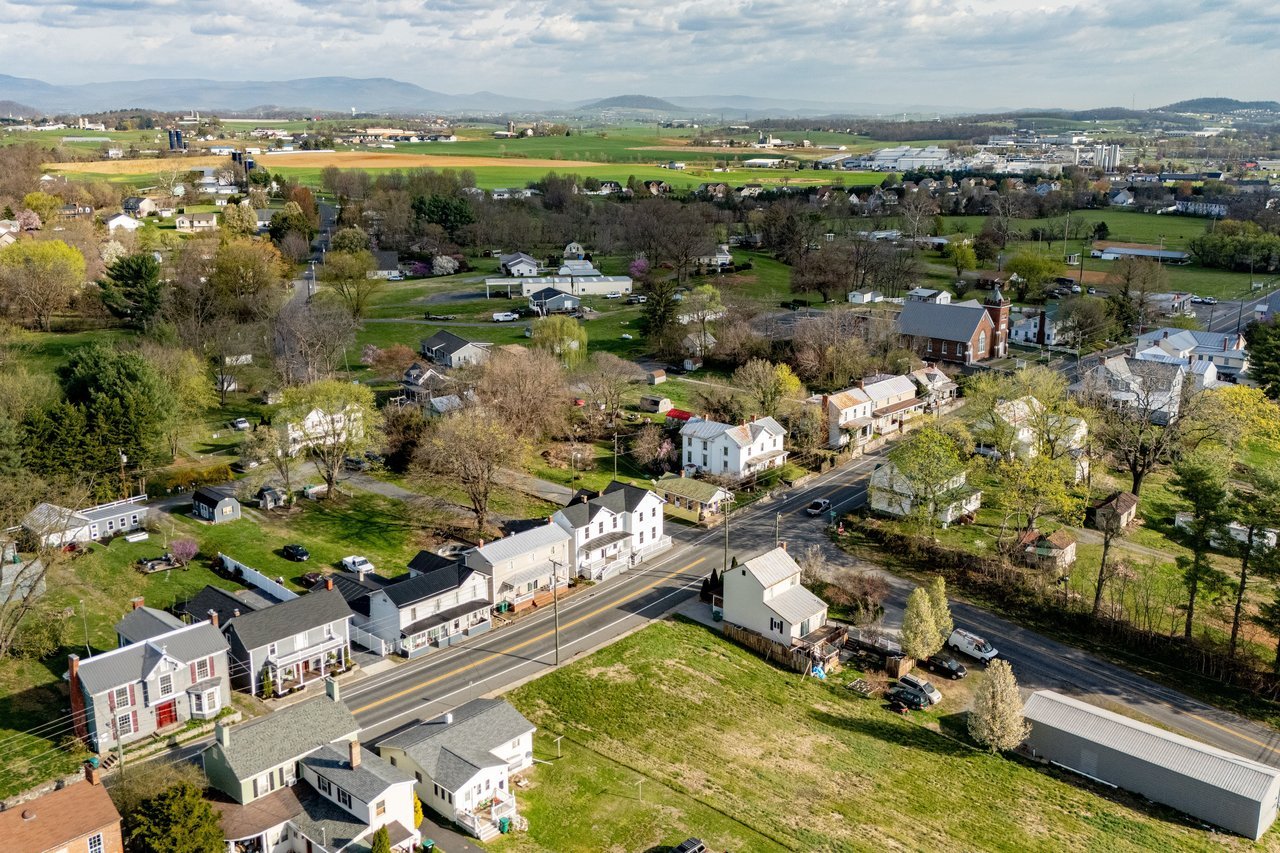
Looking for a place where your drive to Harrisonburg stays manageable, but your surroundings feel a little more open and grounded? That balance is exactly why many buyers take a closer look at Mount Crawford. If you want a small-town setting with practical commuting access and a range of property types, this guide will help you understand what to watch for before you buy. Let’s dive in.
Why Mount Crawford Appeals to Commuters
Mount Crawford sits about eight miles south of Harrisonburg, which makes it a realistic option if you work in the Harrisonburg area but do not want to live in the middle of a larger city setting. U.S. Route 11 runs through town and parallels Interstate 81, giving drivers another useful route north toward Harrisonburg.
That local road network matters in everyday life. The town’s comprehensive plan notes that US 11 north of town serves as a major route to Harrisonburg and can act as a default detour when interstate traffic is delayed. If you commute regularly, that kind of backup option can be a real advantage.
Mount Crawford is also closely tied to surrounding job centers. According to the town plan, many residents commute to Harrisonburg-area employment hubs, along with Bridgewater, Dayton, and the Port Republic Road area near RMH. The area is largely car-dependent, with 83.5 percent of workers driving alone and a mean travel time to work of 18.9 minutes.
What the Town Feels Like
Mount Crawford is small by design and by identity. The town covers just 0.48 square miles and had 439 residents in the 2020 Census, yet it remains an established community with a long history as the oldest chartered town in Rockingham County.
For many buyers, the appeal is not just the map location. It is the fact that Mount Crawford’s planning priorities focus on protecting rural character, open space, agricultural land, and historic features. Public input for the town’s comprehensive plan also showed support for land conservation and historic preservation, with less interest in broad new growth.
That gives you an important clue about the local atmosphere. If you are drawn to a place that values a quieter footprint and a more traditional small-town feel, Mount Crawford may line up well with your goals.
Homes and Lots in Mount Crawford
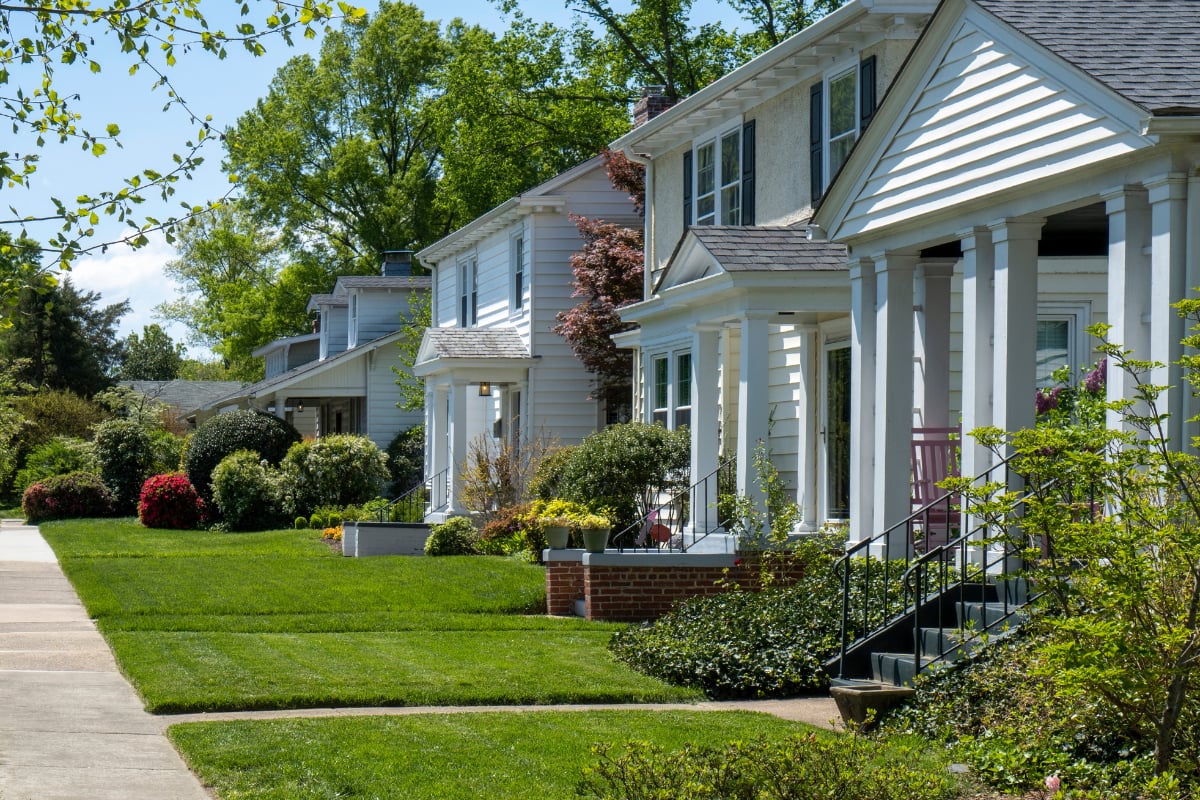
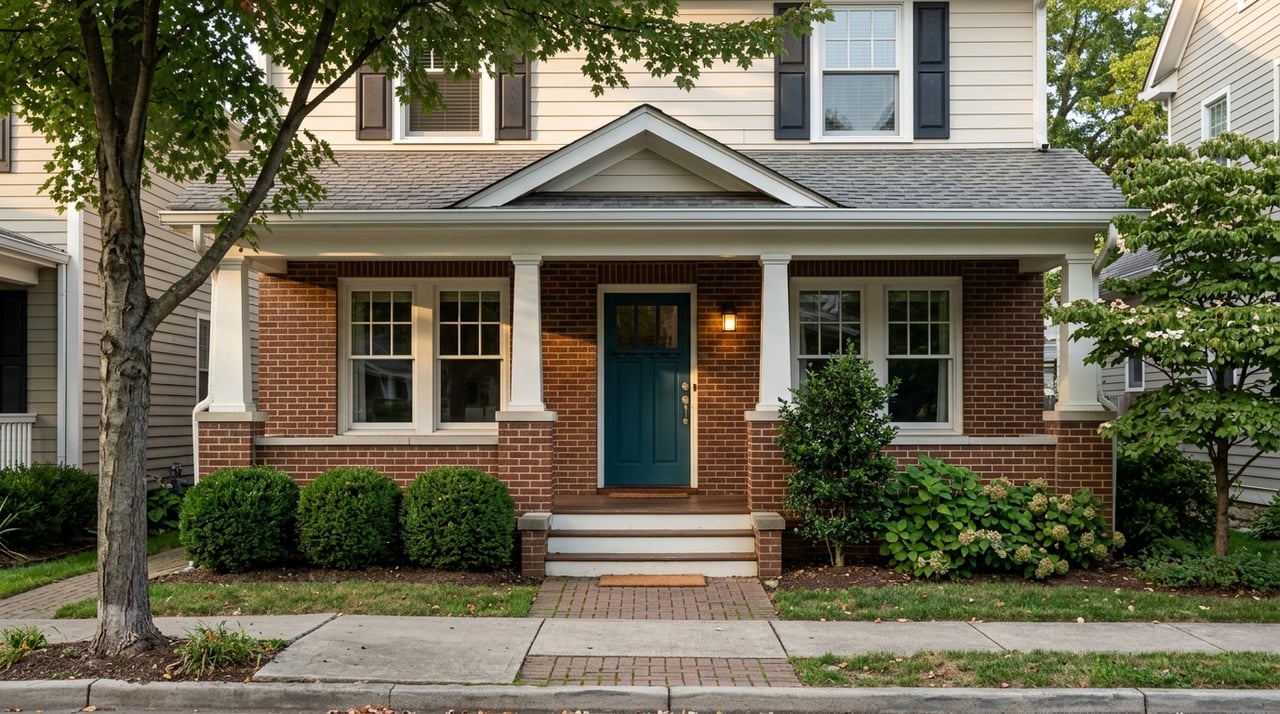
One of the most useful things to know about Mount Crawford is that the housing stock is not one-note. The town’s plan describes a mixed, location-specific pattern rather than a single style or lot type across the whole area.
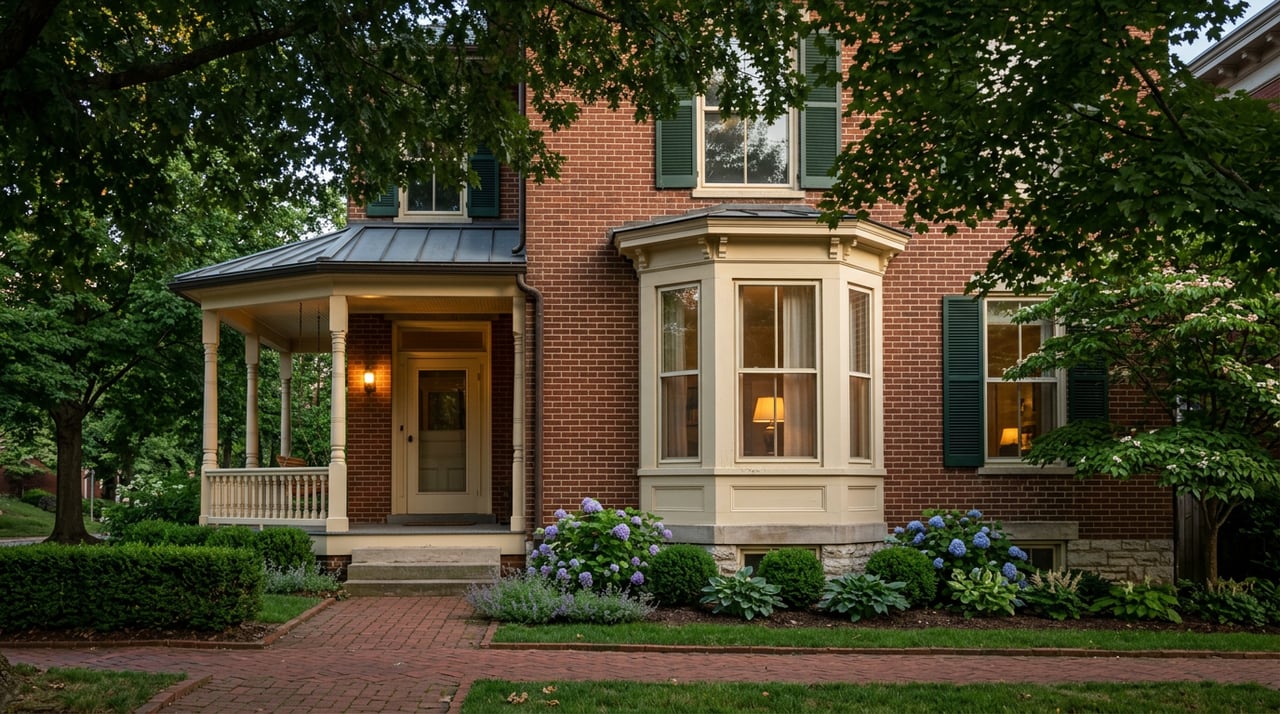
Historic Main Street is noted as mostly single-family homes with a few apartments, and the average year built in that area was 1908 in the town’s 2019 snapshot. North Main Street includes more apartments, while Saddlebrook includes single-family homes and townhomes. North River and Cooks Creek are described as mostly single-family areas.
Current listings also show a wide spread in lot sizes. Buyers may see detached homes on lots around 0.23, 0.3, 0.35, or 0.39 acres, along with larger parcels of 1.99, 4.73, 5.22, and 8.49 acres. Land and farm listings have ranged from 1.64 to 36.36 acres, and new-construction townhomes have appeared on much smaller 1,360-square-foot lots.
What That Means for Your Search
If you are searching in Mount Crawford, it helps to define what “country” means to you before you tour homes. For some buyers, that means a detached home with a little breathing room and mountain-valley surroundings. For others, it means a larger parcel, possible agricultural context nearby, or simply a quieter small-town setting than a busier corridor.
Because the options vary, your search can go in several directions:
- Historic homes near Main Street
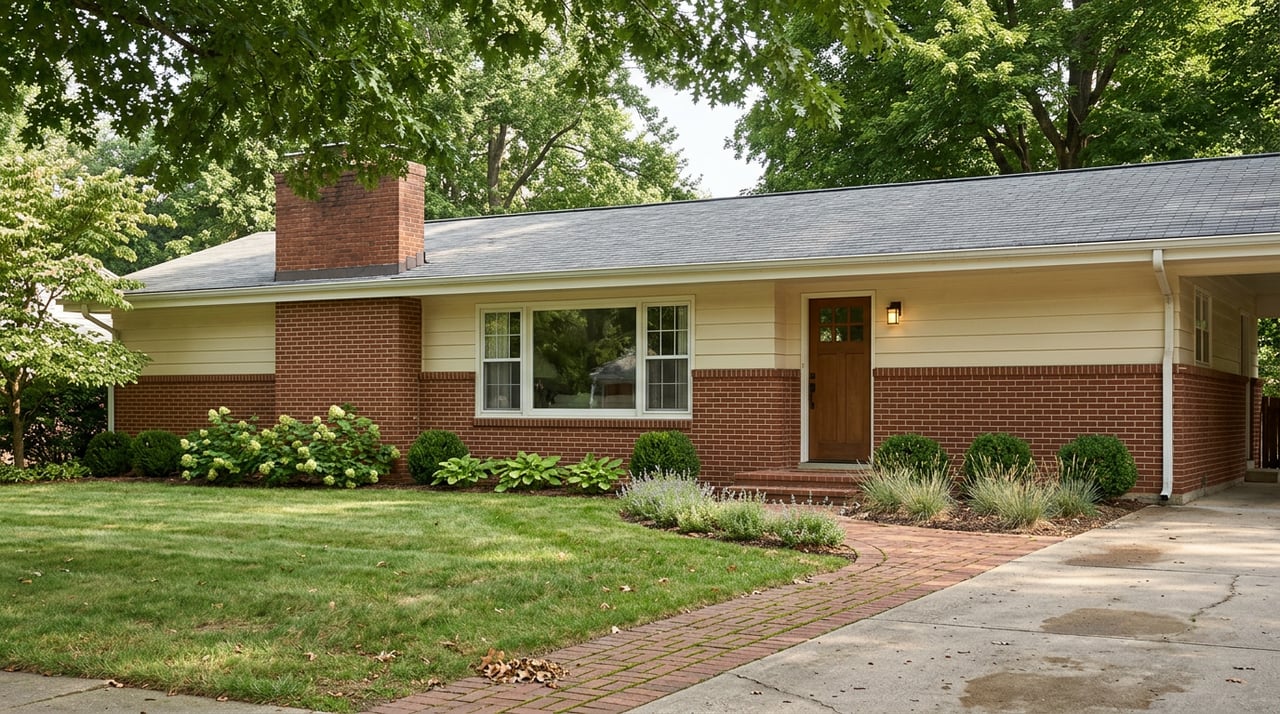
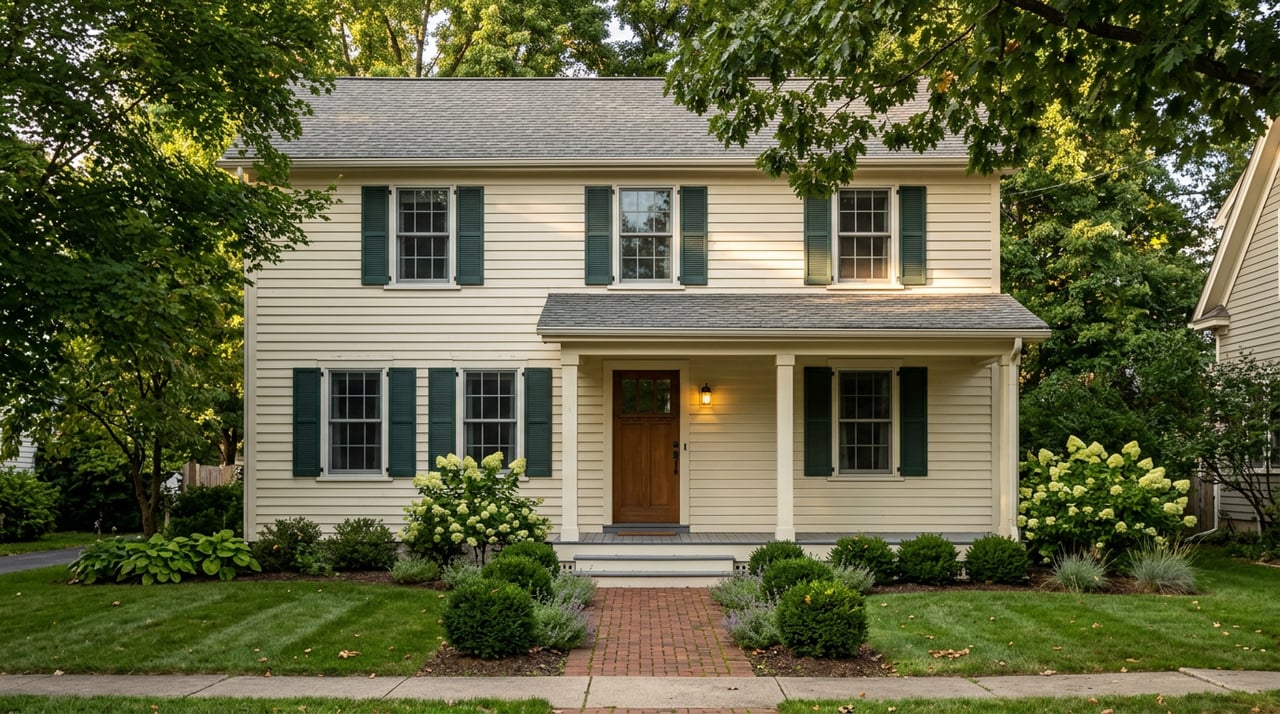
- Detached homes on modest in-town lots
- Townhomes in planned residential areas
- Properties with several acres
- Land or farm parcels for a more open setting
That range is part of Mount Crawford’s appeal, but it also means you should compare properties carefully rather than assume every listing offers the same kind of flexibility.
Growth Plans and Future Character
Mount Crawford’s future land use guidance points first toward low-density residential growth, up to three units per acre, mainly through single-family detached homes and duplexes. Higher-density residential is intended near Saddlebrook and approved townhome areas such as Parsons Court and US 11.
Just as important, the town makes clear that the future land use map is advisory, not regulatory, and does not change current zoning. That distinction matters if you are trying to predict what may happen near a property you like. A planning map can offer context, but it is not the same thing as a zoning approval.
The broader direction still tells a story. Future growth is expected to focus in strategic areas while protecting rural character, open space, stream corridors, vegetation, and stormwater quality. For buyers who care about long-term setting, that planning approach may be worth a closer look.
Utility and Infrastructure Checks Matter
If you are buying a lot, a newer home, or anything on the edge of existing development, utility research should happen early. Mount Crawford administers water, sewer, and trash, Rockingham County maintains water infrastructure, and the Harrisonburg-Rockingham Regional Sewer Authority handles wastewater treatment.
The town plan notes that Mount Crawford had 192 water hook-ups and can add only 30 per year under a county agreement, with special permission for 69 approved townhomes. That does not mean a property cannot work for your plans, but it does mean utility availability should never be assumed.
Questions to Ask Early
Before you get too far into a purchase, it is smart to confirm:
- Whether public water and sewer are available to the property
- Whether a vacant lot has confirmed utility access
- Whether a new build timeline could be affected by infrastructure limits
- Whether trash service or utility administration differs from nearby county properties
If you are considering property outside typical in-town service patterns, Rockingham County notes that well and septic permits for county properties are handled through the health department. That is another reason site-specific due diligence matters.
Parcel, Zoning, and Floodplain Research
A listing sheet rarely tells you everything you need to know about a property. In Mount Crawford, that is especially true when lot size, access, setbacks, or future use are part of the decision.
Rockingham County’s GIS tools allow users to search by owner name, tax map number, 911 address, or street and route number. The county says the map can help you check parcel boundaries, structures, zoning, town boundaries, acreage, and floodplain.
This step is useful for almost any buyer, but especially if you are comparing in-town parcels with larger properties nearby. A home may look like it has room for extra parking, an accessory use, or a future project, but the parcel details and zoning context should be verified before you rely on that assumption.
Main Street Constraints to Keep in Mind
Older small-town properties can be full of charm, but they sometimes come with trade-offs. The town plan notes that buildings along US 11 often have limited setbacks and small parcels, which can constrain access, parking, and redevelopment.
That does not make these homes less appealing. It simply means that if you are drawn to a property along the main corridor, you should look closely at how the lot functions in daily life. Parking layout, outdoor space, and access may feel different from what you would find on a newer suburban lot.
HOA and Community Document Review
If a property is in a condo, townhome, or other common-interest community, document review is a major part of your due diligence. In Virginia, the standardized resale certificate is the key disclosure document for condos, property owners’ associations, and cooperatives.
According to the Virginia Department of Professional and Occupational Regulation, that resale certificate must include governing documents and rules, assessments, special assessments, budgets, reserve studies, insurance, judgments or pending actions, occupancy limits, and restrictions related to rentals, parking or vehicles, solar, signs, and home-based business use.
Why This Matters in Mount Crawford
Some buyers see a smaller town or rural-feeling setting and assume fewer restrictions. That may be true for some properties, but not all of them. If a home is part of a common-interest community, rules about parking, vehicle storage, rental use, separate fees, or home-based business activity can shape how you use the property.
The state form also notes that purchasers should examine the material carefully, that a buyer may have a right to cancel after receiving the resale certificate, and that an update may be requested. In short, if association documents apply, they deserve careful review and plain-English explanation before you move forward.
Who Mount Crawford Often Fits Best
Mount Crawford can make sense for several kinds of buyers, especially if your priorities include both access and atmosphere. It may be a good fit if you want:
- A shorter drive to Harrisonburg-area job centers
- A small-town setting with a rural feel
- A choice between historic homes, detached homes, townhomes, and larger parcels
- A community whose planning direction emphasizes conservation and rural character
It may require extra diligence if you need very specific flexibility for land use, parking, future additions, or utility access. In those cases, local knowledge and careful property-level review become especially valuable.
A Smart Way to Shop in Mount Crawford
The biggest mistake buyers make in a place like Mount Crawford is assuming every property offers the same lifestyle. One home may be all about charm and convenience near Main Street. Another may offer acreage and a more open setting. A townhome may provide lower exterior maintenance but come with community rules that matter more than you expected.
That is why a strong home search here starts with clarity. If you know your commute needs, lot-size preferences, utility expectations, and comfort level with property restrictions, you can narrow your search faster and avoid surprises later.
If you are weighing Mount Crawford against Harrisonburg, Bridgewater, Dayton, or another nearby area, having a local guide can help you compare not just price, but also daily function and long-term fit. When you want steady advice, clear explanations, and property-specific guidance, Nest Realty- Harrisonburg, VA can help you search with confidence.
FAQs
What is the commute like from Mount Crawford to Harrisonburg?
- Mount Crawford is about eight miles south of Harrisonburg, and the town plan identifies US 11 north of town as a major route to Harrisonburg as well as a useful detour when I-81 is delayed.
What types of homes are available in Mount Crawford?
- Mount Crawford includes a mix of historic single-family homes, apartments in some areas, townhomes, detached homes on modest lots, and properties with multiple acres, depending on location.
Are there larger lots or land listings in Mount Crawford?
- Yes. Current listing snapshots have shown detached homes on lots ranging from under a quarter acre to more than eight acres, plus land and farm listings from about 1.64 to 36.36 acres.
What should buyers verify about utilities in Mount Crawford?
- Buyers should confirm water and sewer availability early, especially for lots and new builds, because the town plan notes limits on annual water hook-up additions under its county agreement.
How can buyers check zoning or floodplain for a Mount Crawford property?
- Rockingham County’s GIS tools can be used to review parcel information, zoning, acreage, town boundaries, structures, and floodplain for properties in the area.
Do Mount Crawford townhomes or planned communities have HOA rules?
- Some properties may be part of a common-interest community, so buyers should verify that status and review the Virginia resale certificate for rules, fees, parking limits, rental restrictions, and other important details.