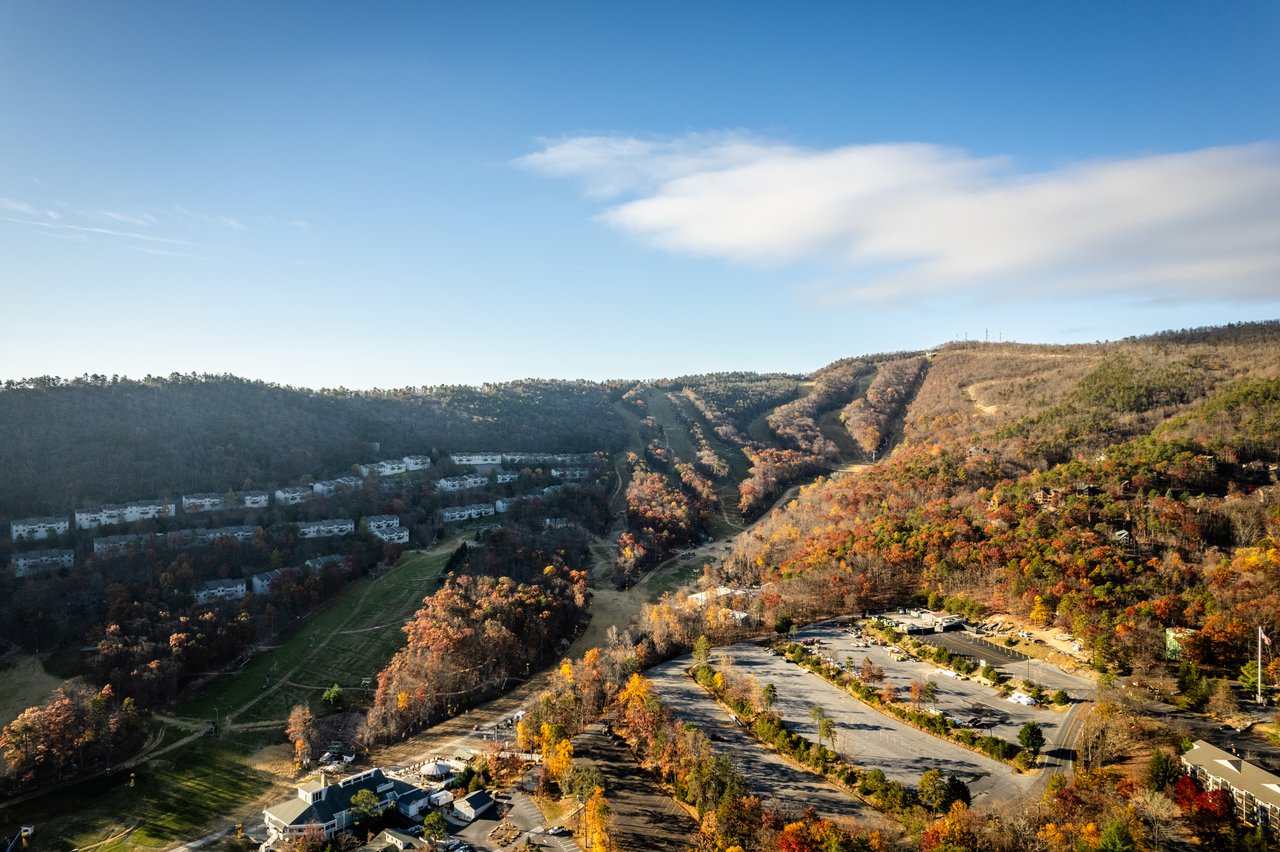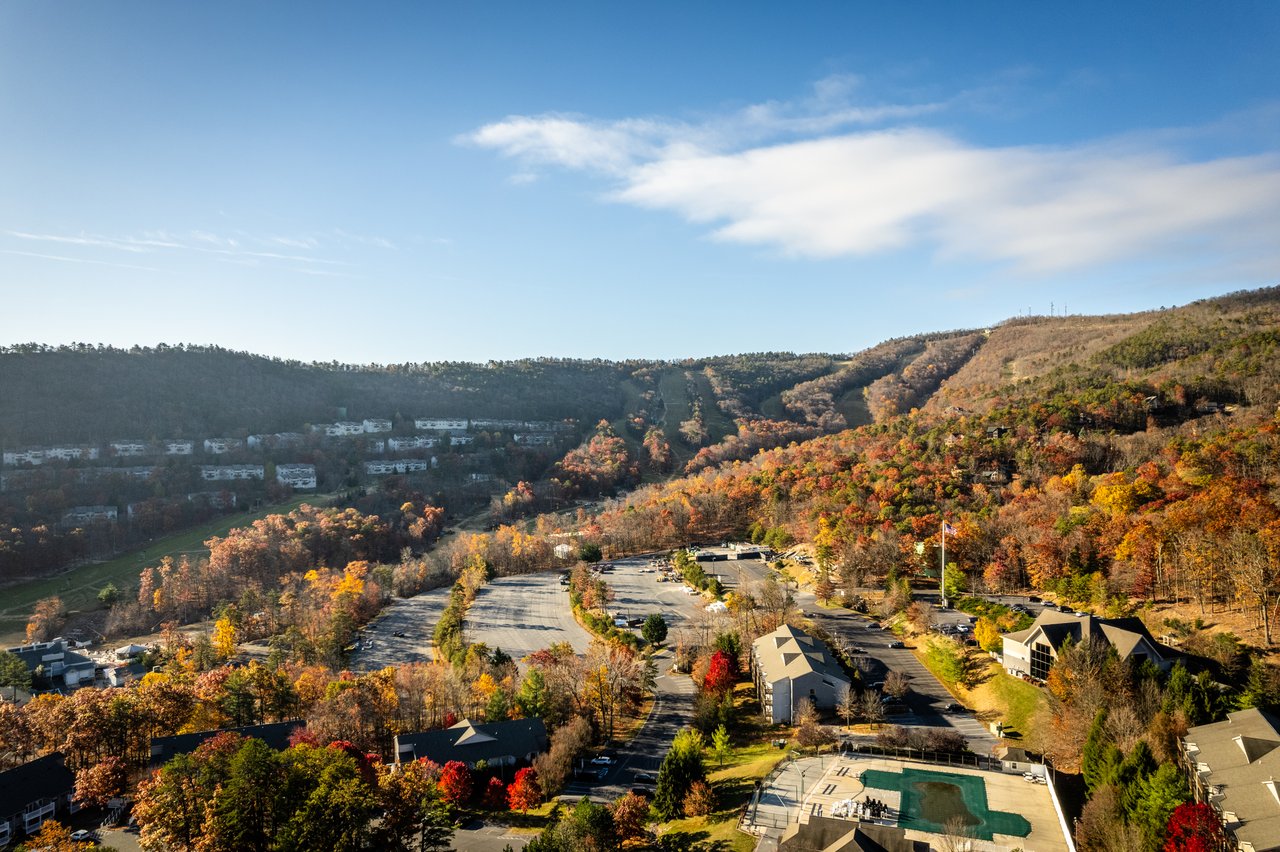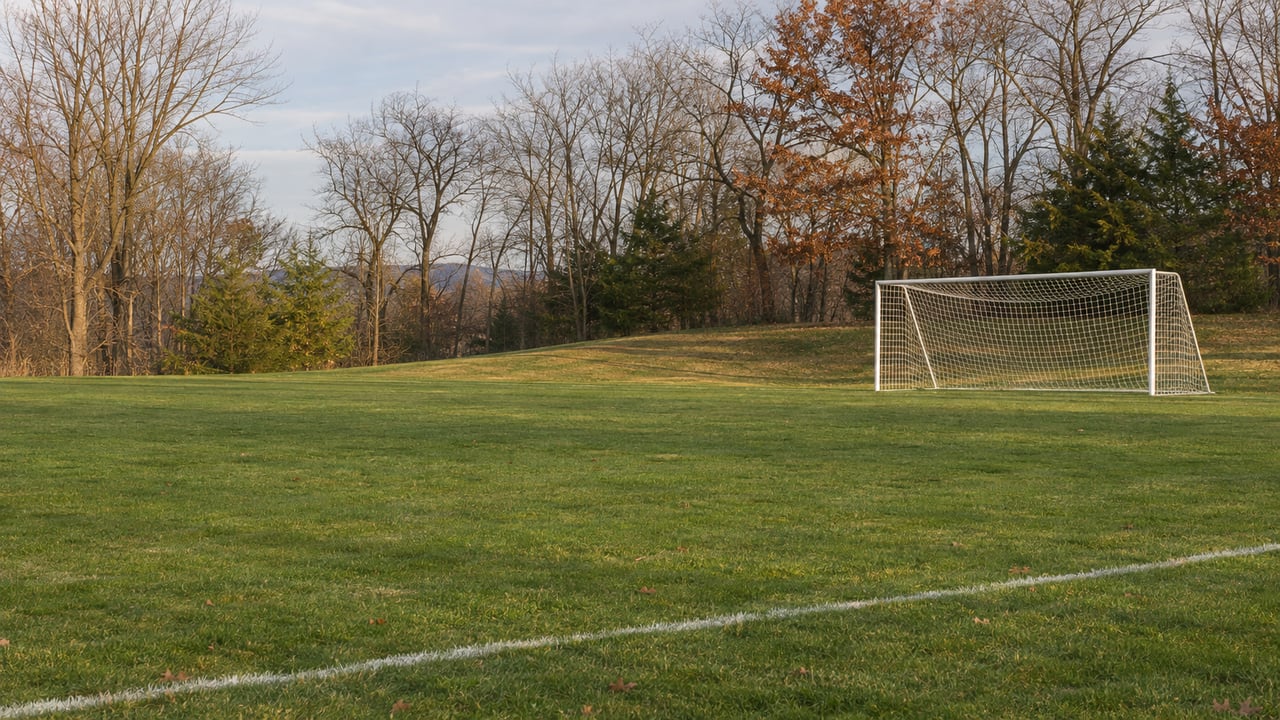
The Virginia Sports Field Management Association named one Harrisonburg field the best parks and recreation field in the state for 2025. That field is the soccer field at Ramblewood Athletic Complex, 2129 Ramblewood Road, off Stone Spring Road. The ground it grows on was the City's landfill, capped in stages beginning in 1984.
If you live in Cobblers Valley or anywhere else on the city's south side, you've probably driven past Ramblewood many times without thinking about the ground it sits on. That ground took decades to become a field, and its history explains a lot about what the complex looks like today.
A Landfill First, a Ballpark Second
The City's 2012 Ramblewood Park Master Plan tells the story. The full property covers 147 acres of City-owned parcels between Ramblewood Road, Greendale Road and Interstate 81. Harrisonburg started using it as a landfill in the 1970s. Some sections were capped in 1984 and turned into a park with softball fields, parking and a maintenance yard. Other sections got their first cap in 1993.
The City later began recapping those old cells, and the first recapped area was finished in summer 2011. The plan called for every recapped area to get at least 18 inches of clay with a layer of topsoil on top. The softball complex was the last area left to recap, and the master plan says the multi-phase project required "the complete removal and replacement of the existing softball fields." Back then the complex had three lighted softball fields in heavy league use and a little over 100 parking spaces.
The cap shaped every design decision that came after it. The existing fields sat at different heights, with about 10 feet of grade change between neighboring fields, so leveling them meant hauling in a large amount of fill. Light poles also needed specially designed foundations so they wouldn't break through the clay. At Ramblewood, building a field means building a few feet of new ground and growing grass on it.
The Park Drawn in 2012
The plan's designers held a community meeting at Stone Spring Elementary School in October 2011. The final plan they drew is a much bigger park than the one on Ramblewood Road today. It called for four lighted softball fields with soccer overlays, a 360-by-225-foot recreation soccer field, a smaller practice field, a clubhouse, a dog park, 9-hole and 18-hole disc golf courses, a skate park, a playground, picnic shelters, and both paved multi-use trails and singletrack mountain bike trails. Parking would have grown to 360 spaces in the north area plus 60 in the south. The plan expected to build all of this in phases because of budget limits.
The City's current page for the complex describes something smaller: 60 acres with one softball field, one multipurpose field, a press box, restrooms and a maintenance building. The rest of the 2012 plan, including the dog park, disc golf and trails, stayed on paper. The field that got built has turned out to be one of the best-kept fields in Virginia.
A Field Played Harder Than Its Permits
The association announced the award on June 29, 2026, for the 2025 season, and published a short interview with Todd Campbell, Athletic Field Turf Manager for Harrisonburg Parks and Recreation. Campbell told the Virginia Sports Field Management Association that he was "most proud with this crew's mindset and determination to buy into the process of getting the field back up to par." He also explained what made the field stand out: "the field was treated as an open field on top of the permitted use, so its ability to recover from the constant wear and tear of high use pressure was rewarding."
In the same interview he listed the challenges. The field carried heavy traffic from both permitted and unpermitted play. It was planted with an old variety of Bermuda grass. The growing season was narrow, and a drought made it harder.
The award went to grass that held up under organized games plus everyone who wandered onto it, grown on built-up ground over a capped landfill, through a dry year.
Getting There From Cobblers Valley
Ramblewood is a drive or a bike ride from most south-side streets. Over the next few years the trip from Cobblers Valley should get easier on foot. The City has a funded safety project for the intersection of Pear Street and Erickson Avenue. It turns the intersection into a modified Restricted Crossing U-turn, which sends three of the four left turns, plus the straight-through movements from Pear Street, to signalized U-turns. The project also adds marked crosswalks, including a pedestrian refuge and an enhanced crosswalk across Erickson Avenue. Preliminary engineering is scheduled for 2026.
Two longer-range plans would extend that network. The City's Erickson Avenue Area Study, finished in November 2025 and revised in January 2026, recommends sidewalks along Erickson Avenue and shared-use paths on Erickson and Pear Street as part of its 2045 network. The FY2027–31 Capital Improvement Program, approved February 24, 2026, includes Bluestone Trail Phase II, which would carry the trail from Stone Spring Road to Rocktown High School. It lists $14.205 million in future funding, mostly grants, with completion set beyond the five-year window.
If you have ideas for Ramblewood itself, the City's Parks & Recreation master plan survey has an interactive map where you can comment on individual parks.
If you're curious how Ramblewood, the Pear Street crossing or the Bluestone Trail plans connect to a particular street in Cobblers Valley, reach out to Nest Realty Harrisonburg and we'll go through it with you.